
Content by Hannah Gale, Greyfel Designs LLC
Scratch Culinary Meal Prep, Phoenix, AZ
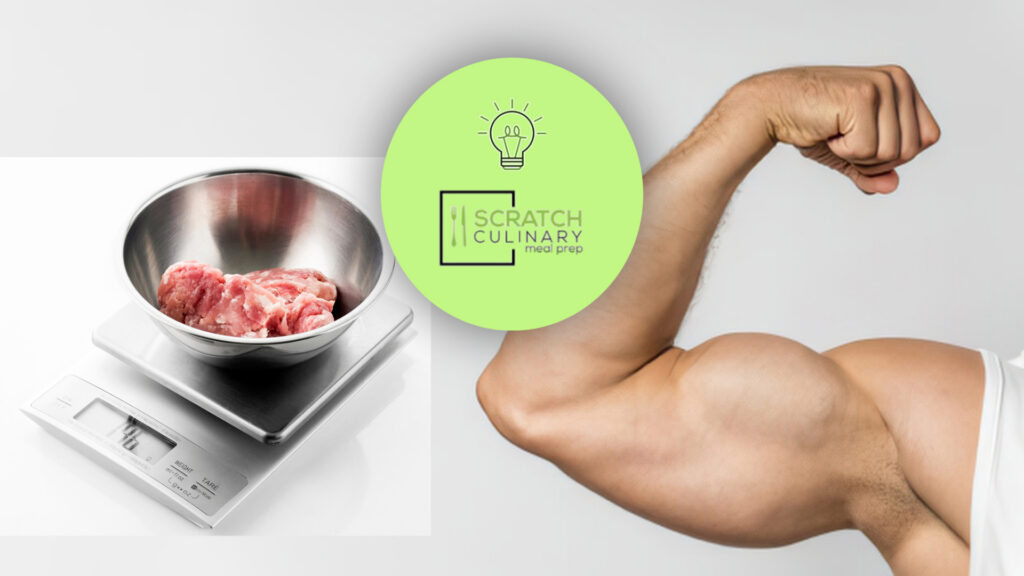
Most people tracking protein are focused on one number: the daily total. Hit 150 grams by midnight and call it a win. The problem is that muscle does not care about your daily total. It cares about the amount per meal.
This is one of the most important shifts happening in applied nutrition right now, and it has direct consequences for how you structure every single thing you eat.
The Science Behind Muscle Protein Synthesis
Muscle protein synthesis, the biological process that repairs and builds muscle tissue, is triggered at the individual meal level rather than accumulated across the day. Each time you eat protein, your body initiates a response that peaks within a few hours and then returns to baseline regardless of how much protein remains in your system.
The key driver is leucine, an essential amino acid that acts as a direct signal for muscle protein synthesis. Research consistently shows that approximately 2 to 3 grams of leucine are needed to maximally stimulate that response. For most high-quality whole food protein sources, reaching that leucine threshold requires around 25 to 40 grams of protein per meal. Below that threshold, the response is blunted. Above it, the excess does not extend the response, it just gets metabolized for energy.
Why Eating 150 Grams at Dinner Does Not Work
This is the part the daily-total approach misses entirely. Consuming 150 grams of protein in one or two large meals produces a smaller muscle-building response than spreading the same amount across four or five meals that each clear the 25 to 40 gram threshold.
The effect becomes more pronounced with age. Research on adults over 50 has found increased “anabolic resistance,” meaning older muscle tissue requires more protein per meal to trigger the same synthetic response that a younger person achieves at lower doses. For anyone on a GLP-1 medication with reduced appetite and lower total intake, per-meal protein distribution becomes even more critical because there are fewer opportunities to hit the threshold throughout the day.
What Scratch Culinary Builds Around
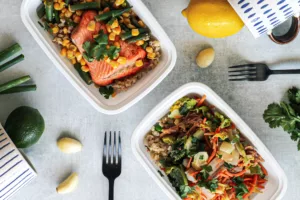
Every Scratch Culinary meal is designed around a whole food protein anchor that hits the per-meal threshold. Chef Tom D’Ambrosio, a Food Network Chopped Champion, builds the fall menu around protein-forward dishes including the Greek Chicken Bowl, Steak Fajita Bowl, Tuscan Chicken, Caribbean Jerk Turkey, and Turkey Bolognese Pasta. Each dish is prepared from locally sourced proteins with no preservatives, and the full macro breakdown, including protein grams per serving, is printed on the front of every container.
For subscribers tracking in MyFitnessPal, the barcode scan integration logs protein automatically per meal. No estimation. No guesswork at the end of the day.
Fresh deliveries every Monday and Wednesday across Phoenix from Carefree to Queen Creek and Surprise to Buckeye, at around ten dollars per meal. Browse this week’s menu here and get started today.
Frequently Asked Questions
Why does protein per meal matter more than daily total?
Muscle protein synthesis is triggered at the individual meal level, not accumulated across the day. Each meal initiates a response that peaks and returns to baseline within a few hours regardless of remaining daily intake. Distributing protein across multiple meals that each hit 25 to 40 grams produces a greater cumulative muscle-building response than concentrating the same total in one or two large meals.
How much protein per meal do you need to build muscle?
Research points to 25 to 40 grams of high-quality protein per meal as the threshold for maximally stimulating muscle protein synthesis in most healthy adults. Older adults and GLP-1 medication users may need toward the higher end of that range due to reduced anabolic sensitivity.
What is leucine and why does it matter for protein timing?
Leucine is an essential amino acid that directly signals muscle protein synthesis. Approximately 2 to 3 grams of leucine per meal are required to trigger a maximal response. Most whole food protein sources such as chicken, beef, turkey, and fish contain enough leucine to clear this threshold at the 25 to 40 gram serving level.
Does Scratch Culinary show protein content per meal?
Yes. Every Scratch Culinary container has the full macro breakdown, including protein grams per serving, printed on the front label. MyFitnessPal barcode integration is available for automatic logging per meal.
Scratch Culinary is Phoenix’s chef-driven, subscription-based meal prep and delivery service. Seriously fresh. Nutritionally focused. Made from scratch, every week. Serving the entire Phoenix metro area.